
End grain
The wood fibres face the blade, so the surface closes behind every cut - the board heals, your knife stays sharper. The one you buy once. From £70.
Shop end grain
The right board depends on how you cook. Three types, one rule - every board here is knife-friendly and built to be used daily.
The wood fibres face the blade, so the surface closes behind every cut - the board heals, your knife stays sharper. The one you buy once. From £70.
Shop end grain
One material throughout. The South American walnut double-sided board is the prep and carving workhorse (from £50); the chopping and serving boards - sculpted with a handle, in two wood finishes - move from worktop to table (from £16).
Shop solid wood
Light, hard-wearing and dishwasher safe - the everyday board for people who want wood without the upkeep. From £14.
Shop wood fibreThe boards

Wood Fibre Chopping Board Chestnut
★ 4.8 (4 reviews)
From £15
Choose size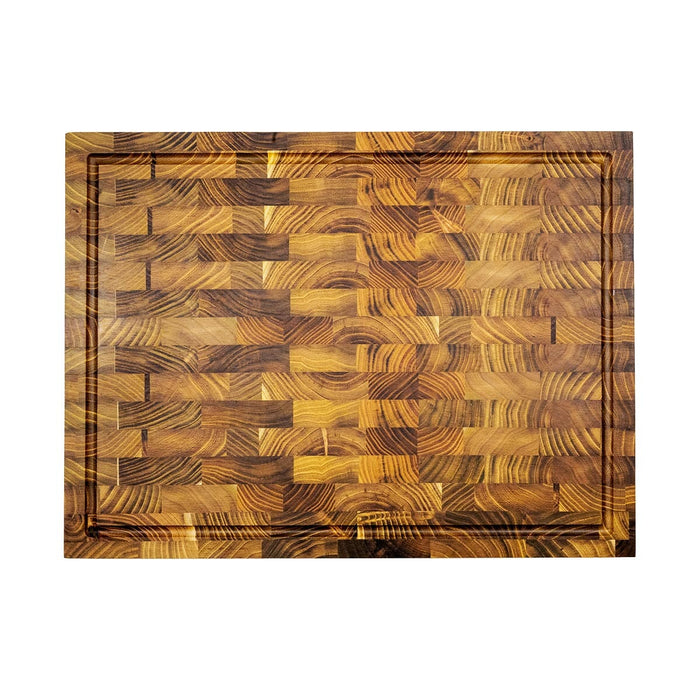
Teak End Grain Chopping Board
★ 4.8 (11 reviews)
From £70
Choose size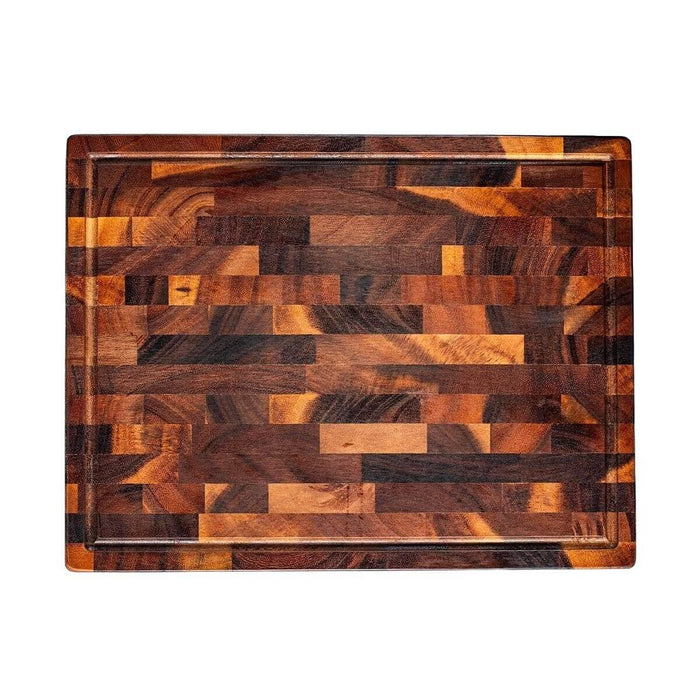
South American Walnut End Grain Chopping Board
★ 5.0 (23 reviews)
From £70
Choose size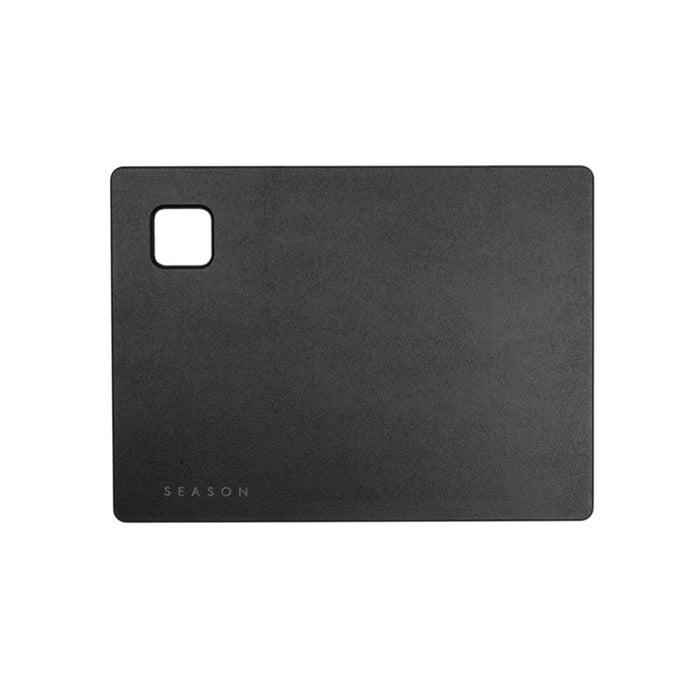
Wood Fibre Chopping Board Black
★ 5.0 (4 reviews)
From £15
Choose size
Wood Fibre Chopping Board Natural
★ 5.0 (4 reviews)
From £15
Choose size
South American Walnut Double Sided Chopping Board
★ 5.0 (2 reviews)
From £50
Choose size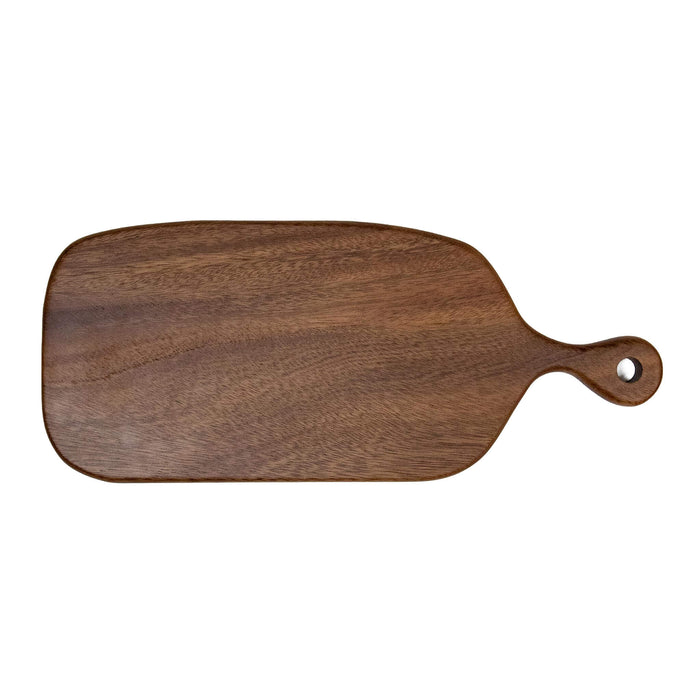
Acacia Chopping and Serving Board
From £17
Choose size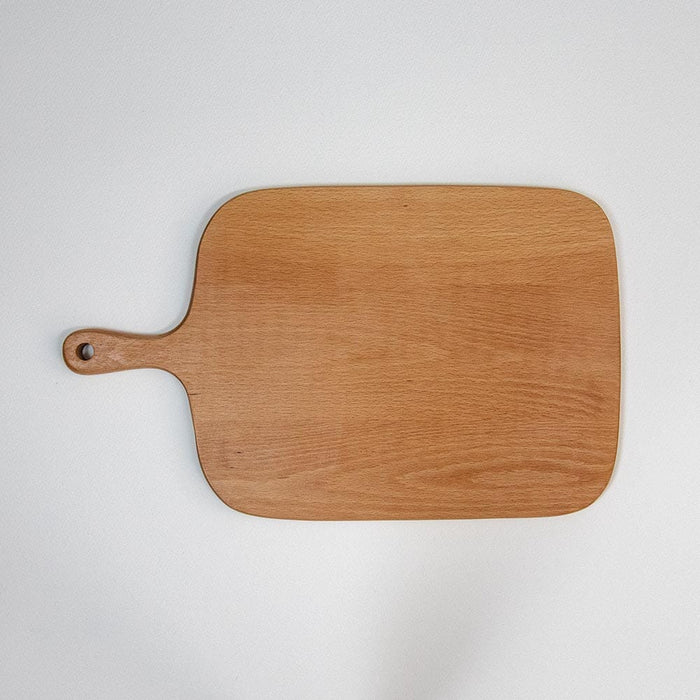
Beech Chopping and Serving Board
From £18
Choose size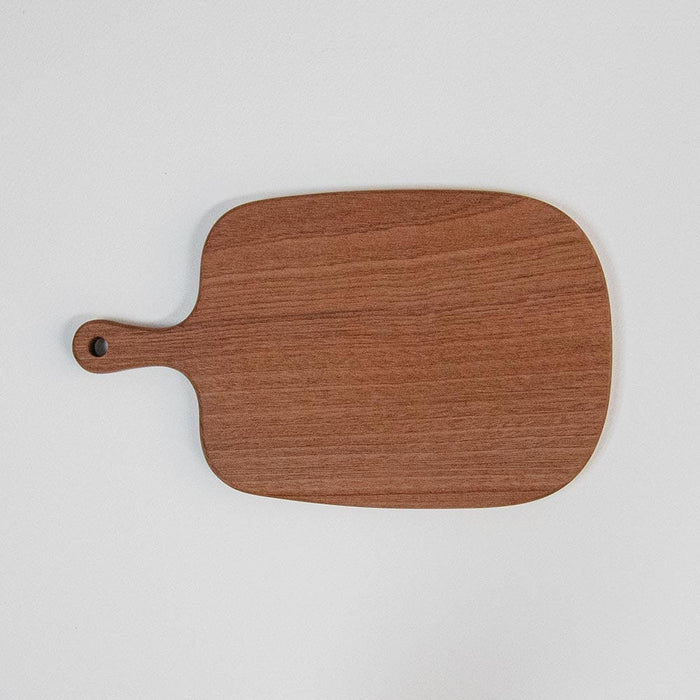
Ebony Chopping and Serving Board
From £16
Choose sizeBuying advice
On end grain the fibres stand upright, so the edge slips between them rather than across them. Your knife stays sharp for longer, and the board closes up behind each cut. You'll still see score marks, of course - they give it character. It's the board to buy once.
The difference is largely aesthetic. Walnut is darker and richer; teak is warmer and carries more natural oil. Choose the one that suits your kitchen.
If a board has to go in the dishwasher, make it wood fibre. It's natural, it can be sanded back (although we've never needed to), and it lasts a lifetime.
Large for most people - you'll never complain about having too much space to chop on. The XL is a luxury, although some may find it too cumbersome. Smaller sizes suit some people's kitchens.
The full range
The end grain and double-sided boards: a channel one side for whatever escapes, flat the other.

Deep South American walnut, built end grain so the blade meets the fibres end-on rather than across.
From £70
Shop walnut end grain
The same end grain build in teak - a timber that shrugs off water better than most.
From £70
Shop teak end grain
Solid walnut, naturally oil-rich and water-resistant. FSC approved.
From £50
Shop walnut double-sided
Sculpted with a handle, in three woods - as happy under a knife as it is carrying cheese to the table.
From £16
Shop chopping & serving
Light, hard-wearing and dishwasher safe. Natural, chestnut or black - the everyday board for people who want wood without the upkeep.
From £14
Shop wood fibreLooking after it
A coat of board oil now and then. Two minutes' work for decades of board.

Season Chopping Board Oil
£10.00
A food-grade mineral oil that prevents cracking, stops drying, and keeps a board looking its best.
Shop the oil
Oil Applicator with Cover
£12.00
A smooth sponge head that glides across the surface, reaching grooves for even coverage with no waste.
Shop the applicatorGood to know
Yes. The edge goes between the fibres instead of across them, so it stays sharp for longer.
No - heat and water split wood. Wipe it, rinse it and stand it up to dry. For the dishwasher, choose wood fibre.
When it looks dry or pale. Once a month is plenty for most kitchens.
The difference is largely aesthetic. It comes down to which colour suits your kitchen.
Yes - research has shown that bacteria on wooden boards die off rather than multiplying. The exception is a damaged board, where dirt can hide in gaps.